Quick Summary:
A winter celebration has its own atmosphere: guests arriving in coats, an early sunset and a gathering that feels a little different from the summer event calendar.
The space available on your event date is only part of the picture. A winter tent rental also needs a workable installation plan. Before choosing a tent size or arranging the furniture, it helps to understand what your site and schedule need to accommodate.
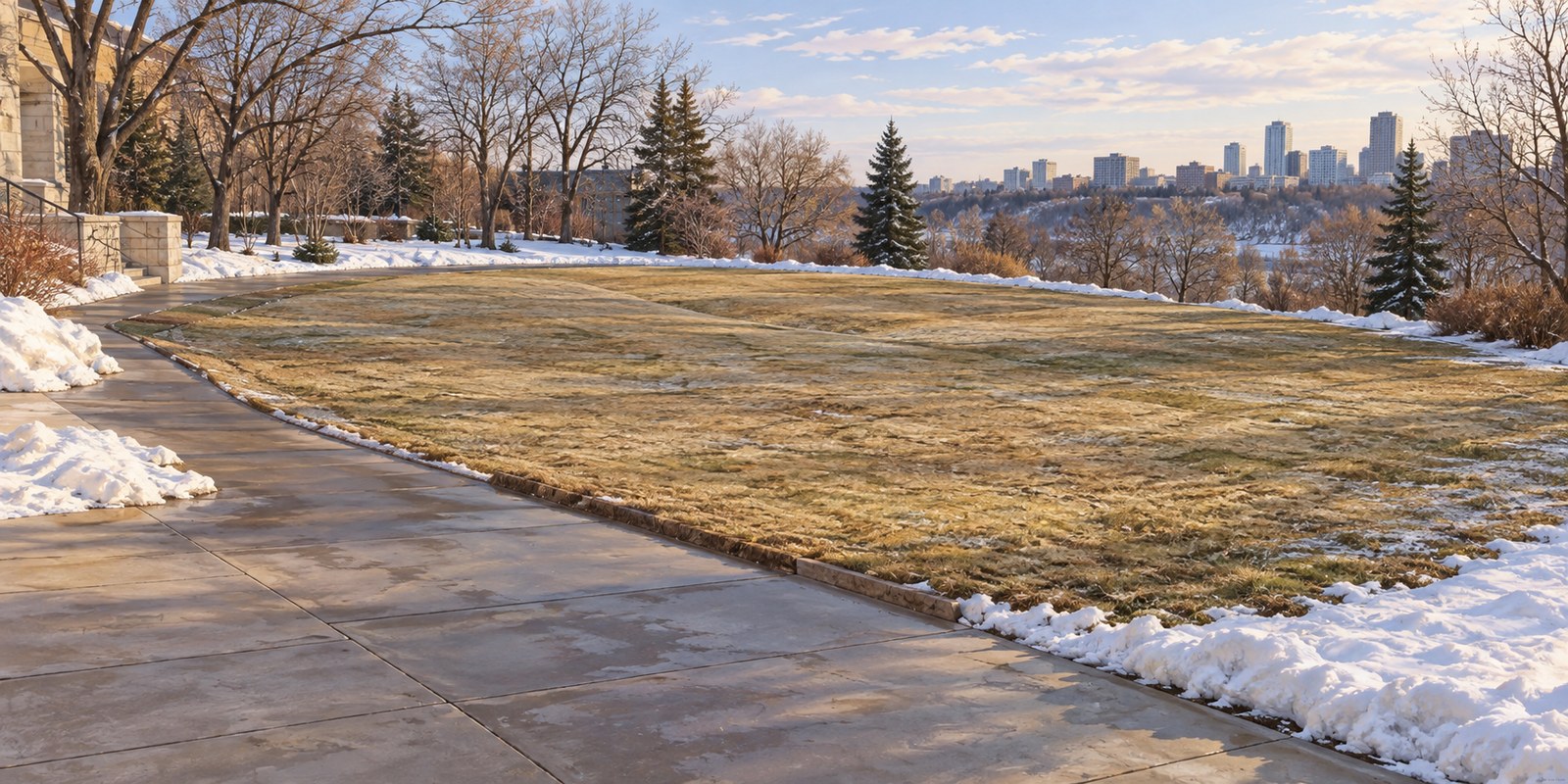
Winter ground can be frozen solid without being flat. A lawn may have a slope, shallow dips or a raised edge beside a driveway. Snow can hide those features, and an area that looks smooth from the house may be uneven underneath.
Think about how guests will use that space. Tables need a suitable surface, chairs should sit securely, and people need a practical route into the tent. The approach matters as much as the area inside it.
Send photos showing the proposed tent location, its surface and the route from the delivery area. Include any gates, narrow passages, slopes or changes in ground level. If snow obscures the site, say so rather than assuming what is underneath.
Temporary flooring may be worth discussing, but it does not automatically make every uneven site suitable. Have the location assessed before committing to a layout or assuming flooring will solve the problem.
At GPLANN, we do not allow tent stakes during winter. We use concrete ballast for winter installations.
That affects the space and access needed for the job. The installation plan must account for the ballast as well as the tent, and the delivery approach needs to be discussed before the event. A spot that appears large enough for the tent itself may still need a closer look.
Concrete ballast does not mean every frozen lawn or paved area can be approved. Our rental agreement requires approval for weighted installations on grass. The surface, tent and installation requirements still need to be reviewed together.
When you send your site details, include the space around the proposed tent. This gives the team a clearer picture than a measurement of the tent area alone.
Winter tent setup takes substantially longer, so allow additional days for installation. Booking the location for the hours when guests will be there is not enough to establish a workable schedule.
The time needed depends on the actual job. Site preparation, access, concrete ballast handling, tent assembly, heating and any agreed flooring all need to be coordinated. Confirm the installation window with GPLANN before locking in the venue’s access arrangements.

For example, imagine an evening event at a property you cannot enter until that morning. That restriction needs to be raised at the enquiry stage. An early event-day delivery should not be assumed to leave enough time for a winter installation.
Keep three parts of the calendar visible:
Agree on the number of setup days for your booking. There is no single schedule that fits every winter site. Include the property owner or venue contact in that conversation so access restrictions are understood before other suppliers are scheduled.
Heating belongs in the winter tent plan from the beginning. The tent’s size, the outdoor temperature and the hours you need heat all affect the estimate. Choosing a heater at the last minute leaves an important part of the event unresolved.
GPLANN’s tent heater calculator gives you a useful place to start. For a GPLANN tent, the tool asks about the tent size and quantity, your desired temperature, outdoor conditions and the total heating time.
Work through it with the event you are actually planning. If guests will stay into the evening, consider the colder part of that period rather than relying on the afternoon temperature. The calculator’s known-temperature step prompts you to consider the overnight low for an evening event.

Also discuss whether heating is needed outside guest hours. Do not automatically treat the party’s duration as the complete heating requirement.
Bring the estimate into your rental enquiry so the team can review it alongside your site and schedule. It is a planning estimate, not a guarantee of a particular indoor temperature or confirmation that a tent is suitable for the conditions.
Heater selection, placement and ventilation must follow the requirements of the actual equipment and the approved setup. Do not add an unapproved heater or assume every opening can be sealed. Our rental agreement prohibits unapproved heaters and open flames near tents. Heating also does not make a tent safe for every snow or weather condition.
Before installation, make sure everyone understands who is preparing the site and when it will be ready. GPLANN’s rental agreement sets out winter responsibilities, including clearing snow and ice before installation, monitoring snow accumulation and maintaining heat when required.
Discuss those responsibilities for the full rental period, including any time the tent will remain on site before or after the event. If conditions change, contact GPLANN for direction. Unsafe winter conditions may delay or prevent installation, so the event plan needs room for that possibility.
Check venue and municipal requirements for the actual heated setup as well. In Edmonton, special-event permit requirements depend on more than the tent’s dimensions. Heating and service connections can affect what needs to be reviewed. Confirm the requirements with the City and your venue; for a location outside Edmonton, check with that municipality.
A useful enquiry gives the team enough information to discuss both the event and the installation:
The quote can then reflect the work involved. Installation labour, access arrangements, ballast handling, heating runtime and any selected flooring are factors to discuss, rather than assuming a winter booking will follow a summer setup.
Start with the tent heater calculator, then send your site details and available setup dates to GPLANN. That gives us a practical starting point for discussing what your winter event will need.